
Navigating Meningioma Diagnosis and Care
Living with a Meningioma can be confronting, but there are treatment options available. In many cases, surgery is the primary treatment method, helping to carefully remove tumours.
Dr Jacob Fairhall has extensive experience assessing and treating brain tumours such as meningioma. If you need a neurosurgeon Sydney, he is here to work with you to carefully navigate your treatment options and identify the most appropriate path forward.
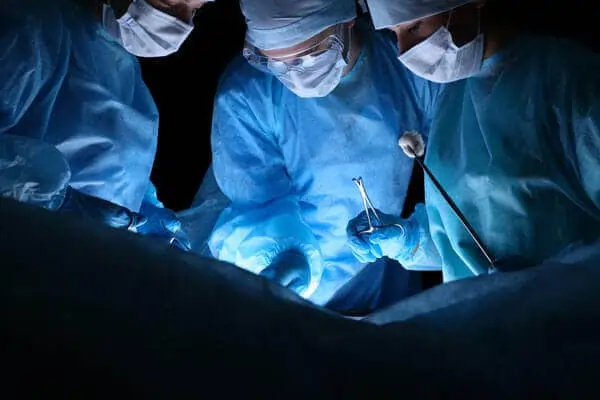
Living With a Meningioma Brain Tumour
Meningiomas are a type of primary brain tumour. Often, they are slow-growing and benign, forming on the meninges, the outer layers of tissue that protect the brain and spinal cord.
The cause of meningiomas is unknown. However, people living with one may experience several different symptoms depending on its size and location, such as:
- Headaches
- Nausea
- Blurred vision
- Loss of hearing
- Loss of smell
- Poor memory
- Changes in mood
- Seizures
- Weakness in the limbs
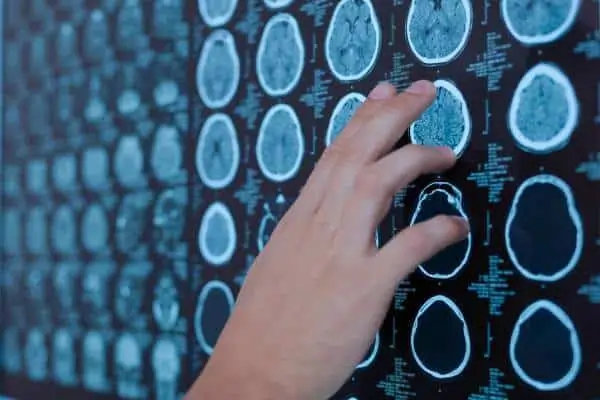
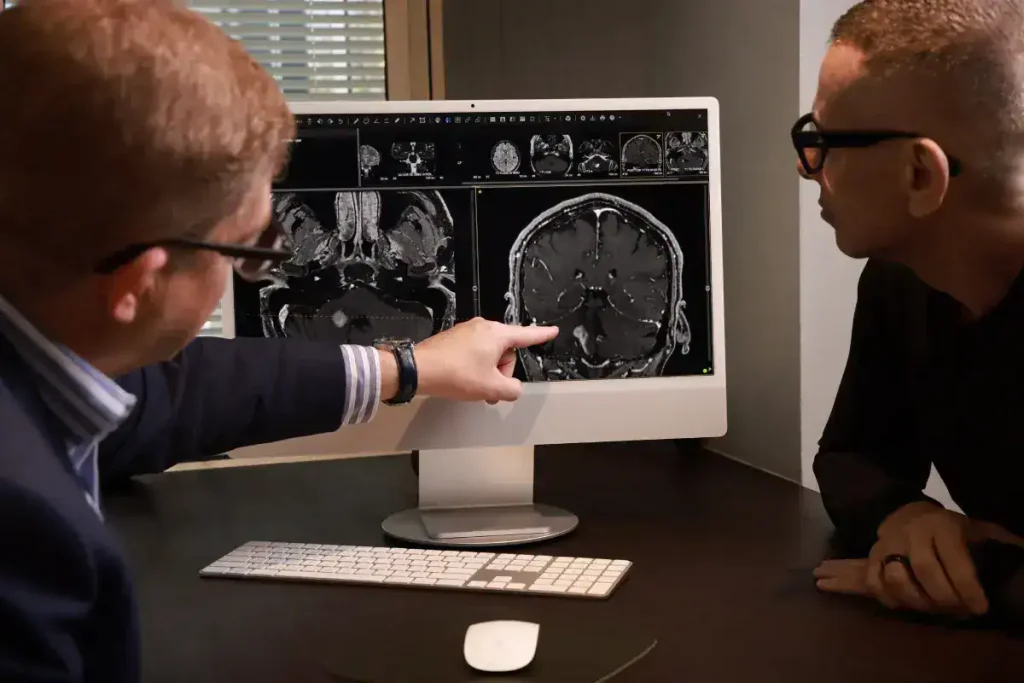
How Meningioma Surgery May Help
Because they are often benign, not all meningiomas will need treatment. However, it is important to keep monitoring your condition to check that intervention is not needed.
Because meningiomas rarely spread to surrounding tissue, surgery is often able to remove them completely. Total removal often reduces the risk of recurrence, potentially improving your prognosis.
Looking for meningioma brain tumour care in Sydney?
Dr Jacob Fairhall is here to help, putting your needs first with compassionate, personalised care.
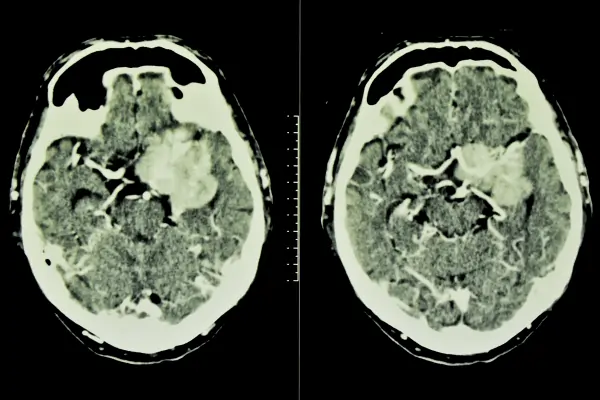
Performing a Surgical Resection
A surgical resection involves removing all or part of an organ or tumour. For meningiomas, the preferred method is a craniotomy, where part of the skull is removed so the surgeon may access the brain. Once the tumour is removed, the bone is then replaced.
Meningiomas that have formed on the outer layers of the brain are generally easier to access and remove. However, those located in harder-to-reach areas may require partial removal, followed by additional treatment options, such as radiation treatment.
Common Meningioma Surgery Questions
What are the types of meningioma?
Meningiomas are split into categories: benign, malignant and another type called atypical meningiomas. Benign tumours are noncancerous, while malignant tumours contain cancer cells that may spread to other parts of the body.
Atypical meningiomas fall between these two categories and may eventually become cancerous.
Are meningiomas pituitary tumours?
No. Meningiomas are tumours that form on the protective layers covering the brain, while pituitary tumours develop from the pituitary gland.
Although both are considered primary brain tumours, they are distinct conditions that differ in location, behaviour, and treatment approach.
Do meningiomas always have symptoms?
Not always. Asymptomatic meningiomas cause no noticeable symptoms and are often detected incidentally during MRI scans or imaging studies for unrelated conditions.
When does a meningioma require treatment?
Not all meningiomas require treatment. Asymptomatic and small tumours may be monitored with regular MRI scans.
However, when a meningioma is causing symptoms such as headaches, pressure, or seizures, or is considered high-risk, treatment options such as surgical removal may be recommended.
What are the risk factors of meningioma surgery?
As with any surgical procedure, meningioma surgery carries some risks. These may include pain, swelling, infection, or bleeding.
In some cases, depending on the location of the tumour, there may be risks to surrounding structures such as the cranial nerves. Dr Fairhall will carefully discuss all relevant risk factors with you prior to your operation so that you may be fully informed.
What if the surgery does not remove the tumour completely?
In some cases, surgery may not be able to achieve complete removal of the tumour. When this occurs, other treatments may be recommended.
This often involves radiation therapy or stereotactic treatments such as stereotactic radiosurgery or stereotactic radiotherapy, which deliver precise, targeted radiation to the remaining tumour cells.
What is the recovery time after meningioma surgery?
Recovery after meningioma surgery varies depending on the size and location of the tumour, as well as the patient’s age and overall health.
Most patients may expect to spend several days in hospital following the operation, with full recovery typically taking a few weeks to several months. Your treating team will provide personalised guidance on what to expect during your recovery.
Why Reach out to Dr Jacob Fairhall?
Experienced Neurosurgeon
Dr Jacob Fairhall is a fully trained brain surgeon with extensive experience treating brain tumours, complex spinal conditions, and neurovascular conditions.
Empathetic Care
Everyone deserves compassionate care, which is why Dr Jacob Fairhall listens attentively to your needs to help determine the most appropriate course of action.
Sydney-based support
Based in Sydney, Dr Jacob Fairhall is committed to supporting his local community with personalised, evidence-based neurosurgical care.
Take the Next Step With Meningioma Surgery Sydney
If you are looking for experienced meningioma care in Sydney or have any questions, reach out to our team today. We will help you organise an initial consultation with Dr Jacob Fairhall to discuss your treatment options.