
Managing Gliomas With Targeted Care
Gliomas are a type of primary brain tumour, meaning they develop within the brain tissue itself. While this may be an overwhelming diagnosis, there are several treatment methods that may be used to help manage the condition.
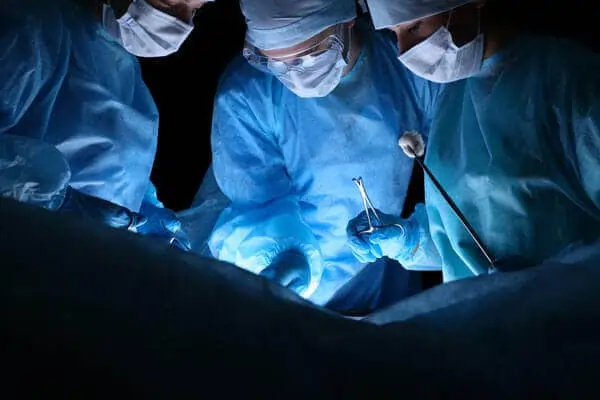
Dr Jacob Fairhall is a fully qualified neurosurgeon in Sydney. He is experienced at completing all types of brain tumour surgery, including glioma surgery, and works closely with multidisciplinary teams to help each patient receive comprehensive, coordinated care.
What to Know About Gliomas
Glioma tumour cells arise from the supporting cells in the brain. There are various types of gliomas that may develop, such as low-grade, slow-growing tumours or more aggressive ones such as glioblastoma (GBM).
The exact cause of gliomas is not fully understood; however, in some cases, they are believed to occur due to radiation exposure or an underlying genetic condition.
Depending on the size, location and severity of a glioma it may put pressure on surrounding tissue, patients may experience:
- Headaches
- Seizures
- Confusion
- Difficulty speaking
- Decreased vision
- Hearing loss
- Reduced function in the limbs
Glioma Treatment Options and Surgical Care
Treatment for gliomas depends on the type. Grade I tumours may be treated with surgical resection, where as much of the tumour as possible is removed.
In more progressive cases, such as Grade II tumours through to Grade IV tumours, a combination of other treatments may be required. This may include radiation therapy and chemotherapy alongside surgical intervention.
In addition to brain tumour surgery, Dr Fairhall is skilled at collaborating with medical oncologists and neurologists to help you receive the care you need.
Navigating a brain tumour diagnosis?
Contact Dr Jacob Fairhall today to discuss your treatment options.
What is Tumour Resection Surgery?
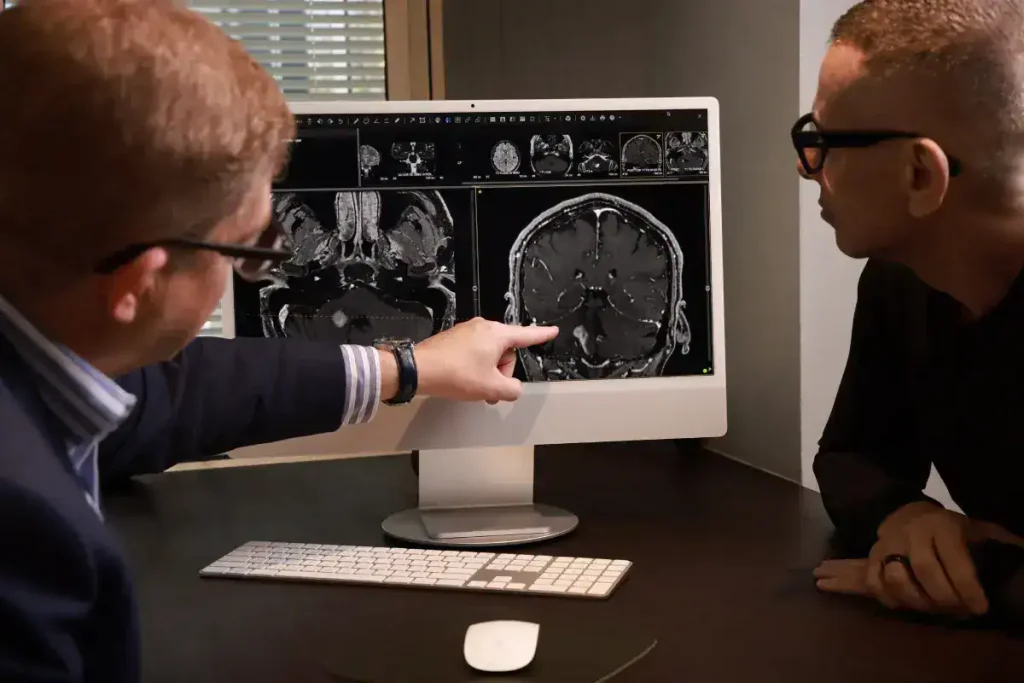
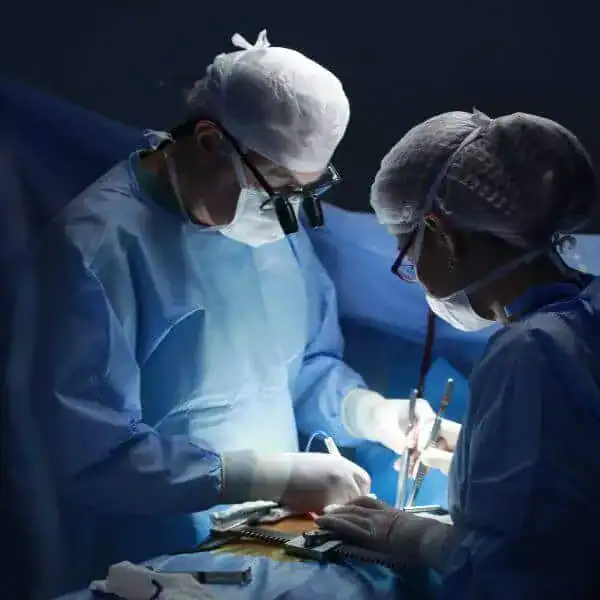
Tumour resection aims to remove as much of the tumour tissue as possible, and in some cases, complete removal may be achieved. This surgery is often guided by MRI scans to help precisely locate the tumour and facilitate its removal.
To access the tumour, a craniotomy is performed, where a portion of the skull is temporarily removed to allow surgical instruments to reach the affected area.
Common Glioma Surgery Questions Answered
What is the difference between a primary and secondary brain tumour?
A primary brain tumour, such as a glioma, originates from the cells of the brain itself. Secondary tumours occur when cancer from another part of the body spreads to the brain, typically via the blood vessels and bloodstream.
Gliomas are always primary tumours and are not the result of cancer spreading from elsewhere.
Are all gliomas malignant?
Not all gliomas behave aggressively. Some low-grade gliomas grow slowly and may cause minimal symptoms. However, unlike truly benign tumours such as a meningioma or acoustic neuroma, even lower-grade gliomas have the potential to progress over time.
Grade III and Grade IV gliomas are considered malignant and may be life-threatening without treatment.
What are the different types of gliomas?
Gliomas are classified based on the type of glial cell from which they arise and their grade. The most common types include:
- Astrocytomas: These develop from glial cells called astrocytes and range from low-grade (Grade I and II) to high-grade gliomas (Grade III tumours and IV).
- Glioblastoma multiforme (GBM): The most common and aggressive form of glioma, classified as a Grade IV tumour.
- Oligodendrogliomas: Arise from the supportive tissue cells of the brain, usually found in the cerebrum.
- Ependymomas: Develop from the cells lining the ventricles of the brain and spinal cord and can occur across a range of grades.
The exact type and grade of a glioma is confirmed through tissue sampling, which helps guide the most appropriate treatment plan.
How do you diagnose and classify gliomas?
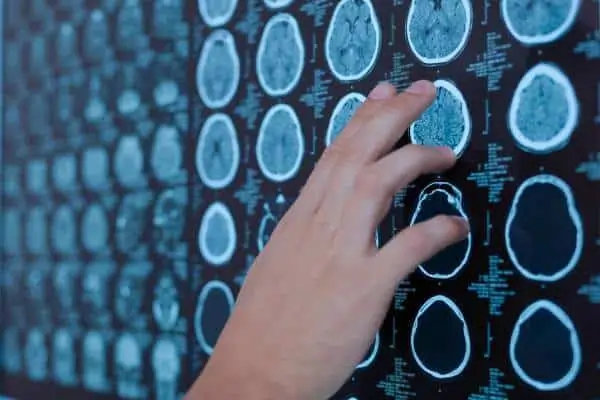
Diagnosing a glioma typically involves two key steps. First, imaging, usually an MRI or, in some cases, a CT scan, is used to identify the tumour’s size, location, and characteristic appearance.
Second, a biopsy may be needed to confirm the diagnosis. This is where a small tissue sample is collected and analysed to determine the tumour’s type and grade. Together, these results guide the most appropriate treatment plan.
What Makes Dr Fairhall Different?
A Doctor who Listens
Dr Fairhall understands how challenging a brain tumour diagnosis can be, and is committed to providing empathetic, personalised care.
Trusted Experience
With extensive experience across a wide range of brain tumour types and surgeries, Dr Fairhall provides care you may rely on.
Care Close to Home
Proudly serving patients across Sydney and beyond, Dr Fairhall brings neurosurgical care to his local community.
Start Your Path to Recovery With Glioma Surgery Sydney
Do you need surgical glioma care in Sydney? Contact our team today, and we’ll help organise your first consultation with Dr Fairhall, where he will take the time to answer your questions and discuss the most appropriate treatment options for you.