
About Trigeminal Neuralgia
Trigeminal neuralgia (TN) is painful condition that is characterised by brief episodes of sudden, severe facial pain. It may happen randomly or be triggered by simple triggers such as eating, drinking, brushing teeth or even cold wind on the face. TN can make everyday life difficult because the pain can be so severe and sudden. It is more common in people over 50 and affects women more often than men, but anyone can develop TN.
Trigeminal neuralgia is usually caused by a blood vessel irritating the trigeminal nerve near the brainstem; this irritation causes pain signals in the nerve to misfire. In some cases, TN can be caused by multiple sclerosis, a tumour pressing on the nerve, injury to the nerve or other causes.
Treatment
Treatment is aimed at controlling pain and maintaining quality of life.
There are three main approaches to manage TN:
Medication is the appropriate first step in managing TN. Medication can be very effective with blocking the pain signals, but unfortunately can often cause unanticipated symptoms including nausea, fatigue and cognitive side effects. Often people find many of these side effects very difficult to tolerate. It is crucial to work with a neurologist in order to find the best potential medication for you.

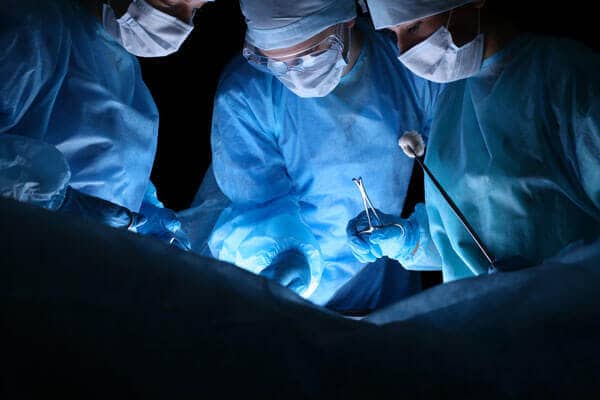
Microvascular Decompression (MVD)
Surgery is considered when medication no longer provides relief or causes intolerable side effects. MVD is surgery that addresses the most common cause of TN; it achieves this by separating the nerve and the irritating blood vessel. During MVD, a brain surgeon makes a small opening behind the ear and gently moves vessels that are pressing on the trigeminal nerve. I place a tiny cushion between the nerve and the vessel to stop the irritation. MVD can be very effective, but like any surgery, it has risks, including hearing loss and stroke.
Percutaneous Rhizotomy
This is a minimally invasive procedure to damage the nerve fibres and stop pain signals. There are two main procedure types:
- Balloon Compression: A small balloon is inflated near the nerve to squeeze it and block pain.
- Radiofrequency Rhizotomy: Heat is used to damage the nerve fibres selectively, reducing pain.

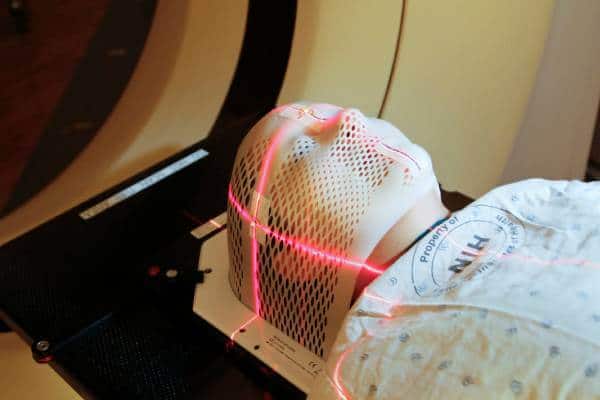
Stereotactic Radiosurgery
Book a consultation with Dr Jacob Fairhall
For personalised and comprehensive care for a variety of disorders including Trigeminal Neuralgia, please contact our team. We will provide necessary information and organise your initial consultation with cerebrovascular surgeon, Dr Jacob Fairhall.